










Battery Charging Process
During the charging of lithium iron phosphate (LiFePO4) batteries, lithium ions detach from the positive electrode (LiFePO4) and migrate through the electrolyte to the negative electrode (graphite). The hexagonal honeycomb structure of graphite allows lithium ions to be intercalated, where they are stored until released during the discharge phase to produce energy.
The total amount of lithium ions within the battery remains constant and does not increase; however, they can be consumed during each charging cycle. When temperatures rise, the electrolyte is prone to thermal decomposition, leading to byproducts that chemically interact with lithium ions to form an SEI film on the negative electrode. As a result, fewer lithium ions are available for storage in the negative electrode, contributing to the substantial energy loss during charging in high-temperature conditions. Moreover, this loss of lithium ions is irreversible, leading to a reduction in the battery’s maximum capacity.
Cycle Life and Performance
When discussing battery lifespan, the concept of cycle count is crucial. This metric measures the battery’s longevity and performance based on the complete charge-discharge cycles it undergoes. The solar light batteries we use at GCOTS typically have a cycle count ranging from 1,500 to 2,000. However, if lithium ions are significantly depleted due to prolonged exposure to high temperatures, the degradation of the battery’s lifespan accelerates, resulting in a reduced actual cycle count.
To extend the battery’s lifespan, it is essential to operate within more ideal temperature conditions. To address this, we have developed a new battery box solution applicable to all split type and some all-in-one solar street lights. Below is the initial version of the battery box. The metal casing will be produced using a high-temperature electrostatic spraying process to provide protection and enhance aesthetics.
The box is made from sheet metal, shaped through bending techniques, which offers cost advantages over aluminum, as it eliminates the need for molds. Its high plasticity allows it to accommodate solar panels of any size by easily adjusting the dimensions of the box.
With its larger unsealed space and increased convection holes, this new design can reduce battery temperature significantly compared to traditional approaches. We have conducted some relevant tests and expect that in actual applications this design can help reduce the battery operating temperature by more than 10 degrees Celsius.
Oct 15,2026
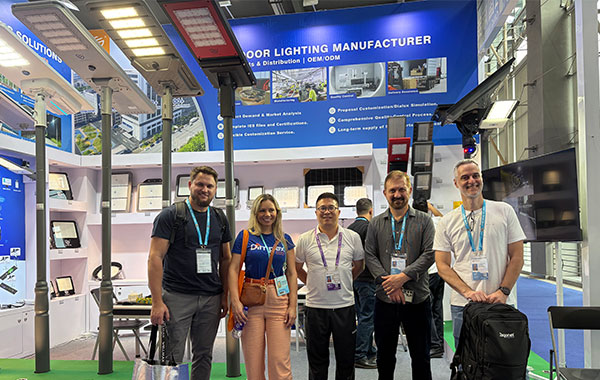
Visit GCOTS at Booth 16.4D41-42, Canton Fair 2026. Our IoT cloud smart lighting management platform enables remote monitoring & dimming, fault alerts for solar lighting projects in municipal roads, farms, hydropower stations and stadiums.
READ MORE
Apr 17,2026
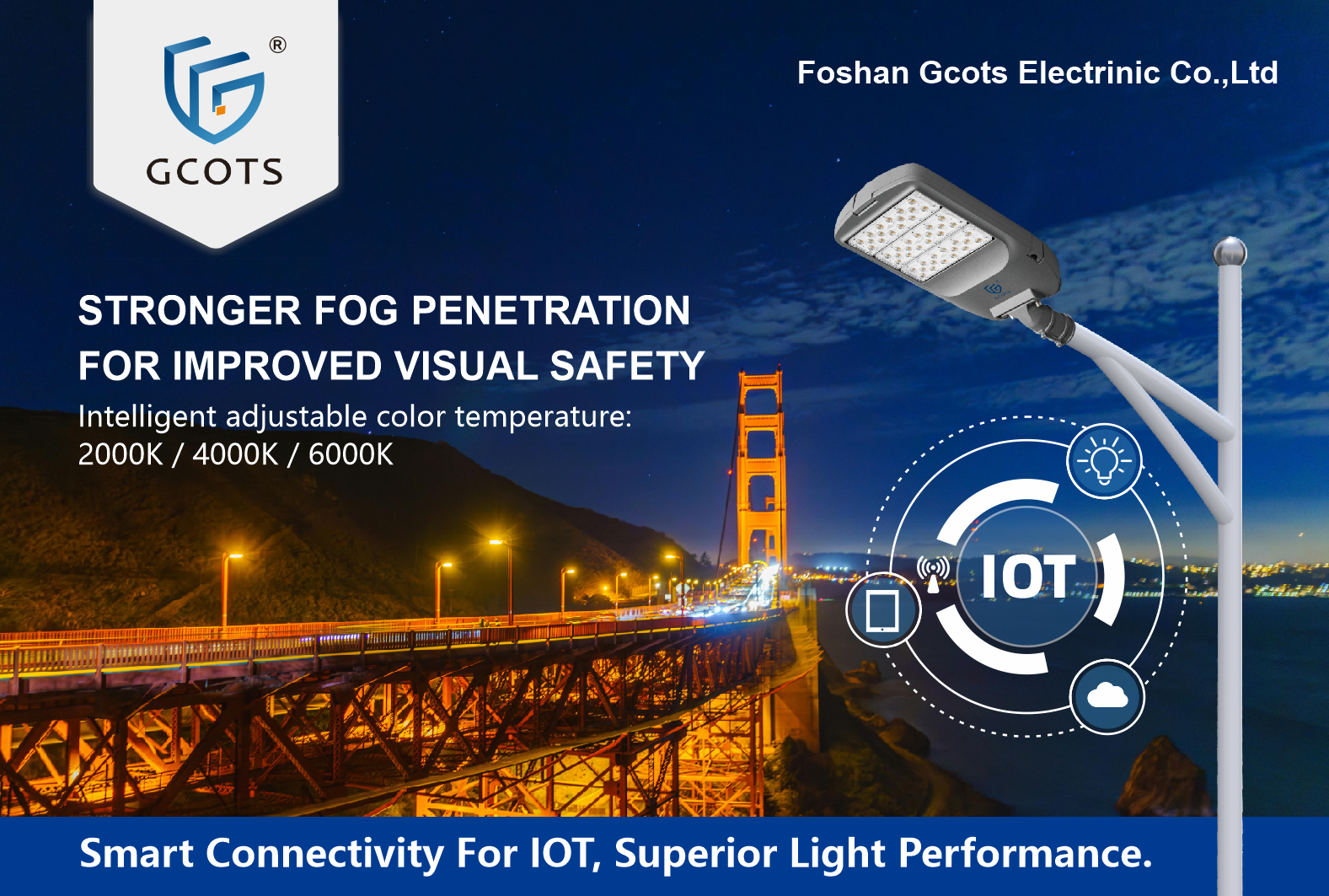
This article introduces GCOTS golden light street lights launched at the 2026 Spring Canton Fair, explaining their long-wave, anti-scattering, glare-free and energy-saving advantages. It also covers smart IoT functions such as remote control and fault warning, analyzes the pain points of traditional street lights, and points out that golden light technology is the future trend of outdoor road lighting.
READ MORE
Nov 07,2025
When it comes to maintaining and maximizing the efficiency of solar-powered systems, selecting the right solar charge controller is essential. Often called a regulator, a solar charge controller is vital for managing the flow of energy from solar panels into the battery. It prevents overcharging, extends battery life, and ensures stable performance. In this guide, we’ll explore what solar charge controllers do, the differences between Pulse Width
READ MORE
Oct 16,2025
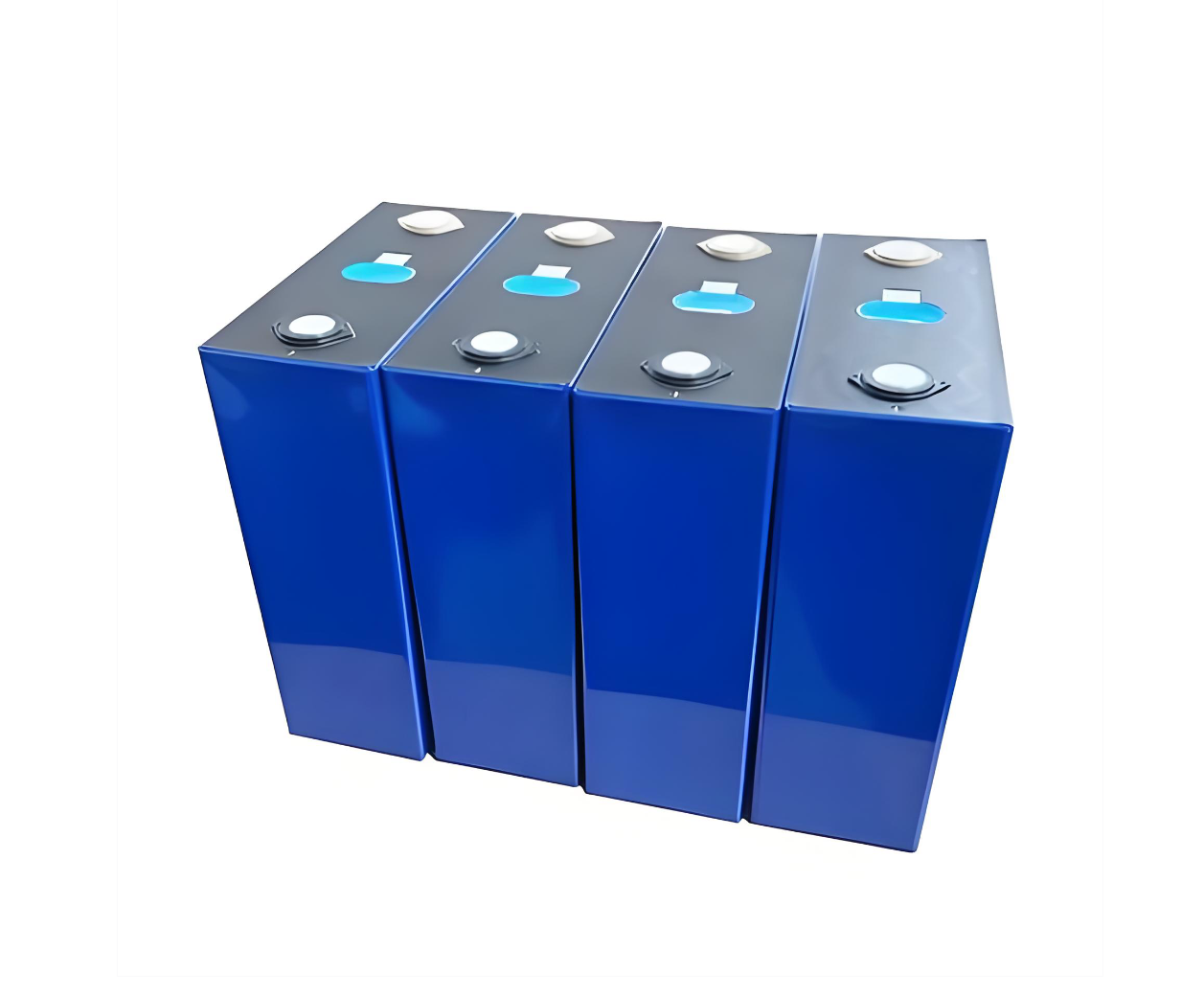
During the charging of lithium iron phosphate (LiFePO4) batteries, lithium ions detach from the positive electrode (LiFePO4) and migrate through the electrolyte to the negative electrode (graphite). The hexagonal honeycomb structure of graphite allows lithium ions to be intercalated, where they are stored until released during the discharge phase to produce energy.
READ MORE